Columbia Breaks Apart on Re-entry After NASA Managers Dismiss Engineers' Foam Strike Concerns
What happened
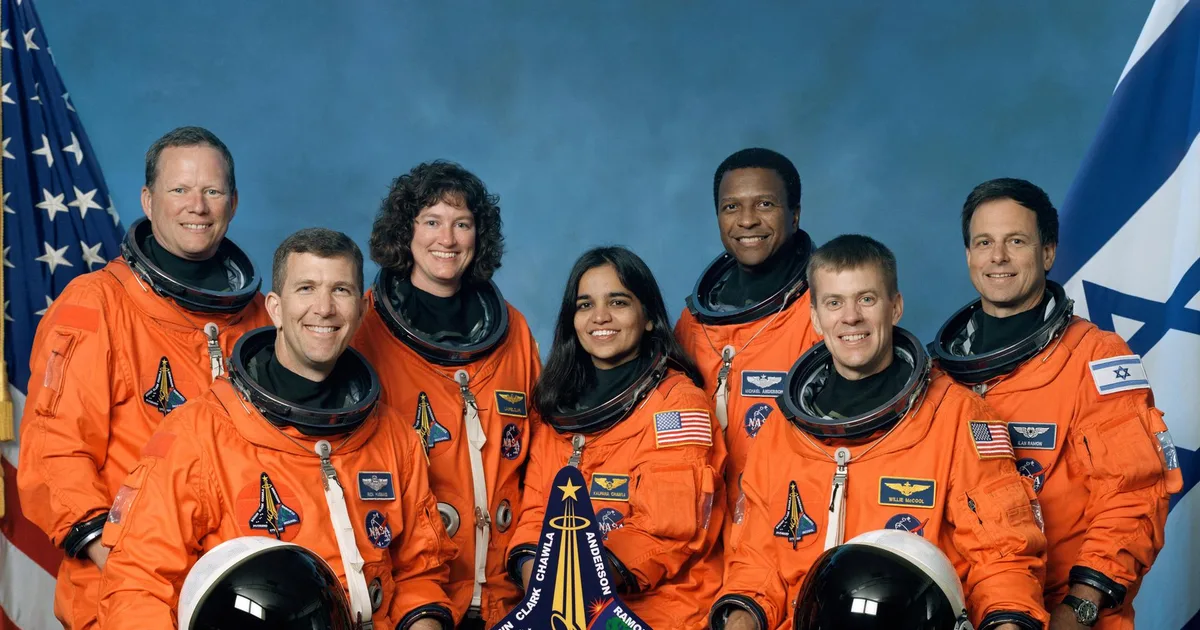
Space Shuttle Columbia disintegrated over Texas on 1 February 2003, killing all seven crew members, as it re-entered the atmosphere at the end of a 16-day science mission. The cause was a briefcase-sized piece of foam that had broken off the external tank during launch and struck the leading edge of the left wing, breaching the thermal protection tiles. During the mission, engineering teams had identified the foam strike and requested satellite or ground-based imagery to assess the damage — the request was denied. The Columbia Accident Investigation Board concluded: "the same organisational and management failures" as Challenger.[1]
What went wrong
Foam shedding from the external tank had occurred on previous flights without causing a catastrophic failure, so it had been classified as "accepted risk" — a known problem that hadn't killed anyone yet. When engineers requested high-resolution imagery of the wing during the mission, mission managers decided the damage was "not a safety issue" without having seen it. The CAIB found that this assessment was biased toward confirming the pre-existing belief that foam damage was benign. Engineers who continued to raise the issue were told that even if the damage was severe, nothing could be done — a framing that discouraged further escalation. In fact, the crew could potentially have been rescued or a repair attempted.[1]
Lesson learned
"We've flown with this before without incident" is not evidence of safety — it is evidence of accumulated luck. NASA had 17 years between Challenger and Columbia to implement the lessons of the Rogers Commission. The CAIB found that the cultural and managerial conditions that caused Challenger had largely reasserted themselves. An organisation that does not institutionalise safety lessons will re-learn them through the next accident.
Sources
- [1]
External links can go dark — pages move, paywalls appear, domains expire. Every source above includes a Wayback Machine snapshot link as a fallback. All citations are best-effort research; if a source contradicts our summary, the primary source takes precedence.