Mars Climate Orbiter Lost Because One Team Used Metric Units, Another Used Imperial
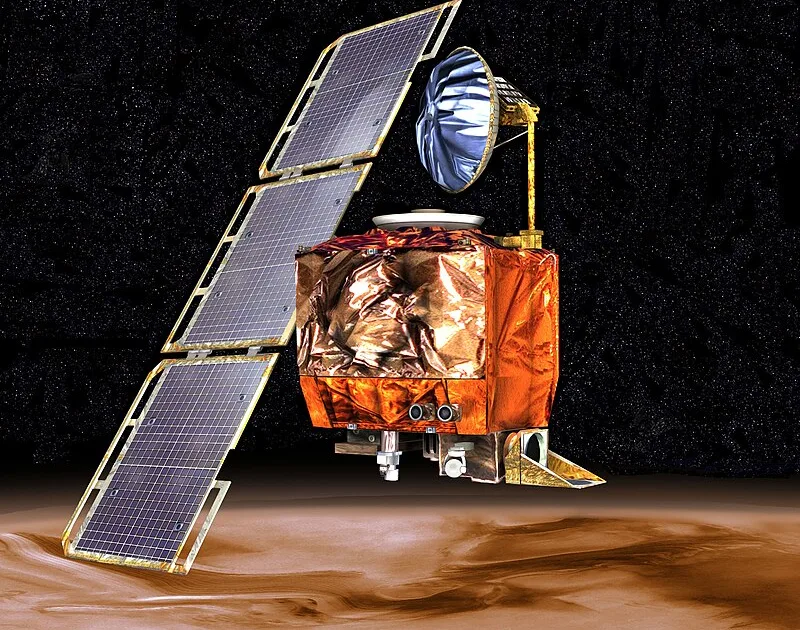
What happened
The Mars Climate Orbiter was lost as it entered Mars orbit because one engineering team provided thruster force data in pound-force·seconds while NASA's navigation team assumed Newton-seconds. The $327 million spacecraft entered the Martian atmosphere at the wrong angle and was destroyed.[1]
What went wrong
The software interface between Lockheed Martin's ground-based thrusters software and JPL's navigation system used different unit systems. Neither team independently verified the output units at the interface boundary. End-to-end trajectory verification would have caught the accumulated error earlier.[1]
Lesson learned
Every data interface must explicitly specify and validate units. A $327 million loss resulted from an undocumented implicit assumption. Typed quantities (where the unit is part of the type) would have caught this at compile time.
Sources
- [1]
External links can go dark — pages move, paywalls appear, domains expire. Every source above includes a Wayback Machine snapshot link as a fallback. All citations are best-effort research; if a source contradicts our summary, the primary source takes precedence.