Kublai Khan’s Invasion Fleet Is Destroyed After Engineers Build 4,400 Ships in One Year
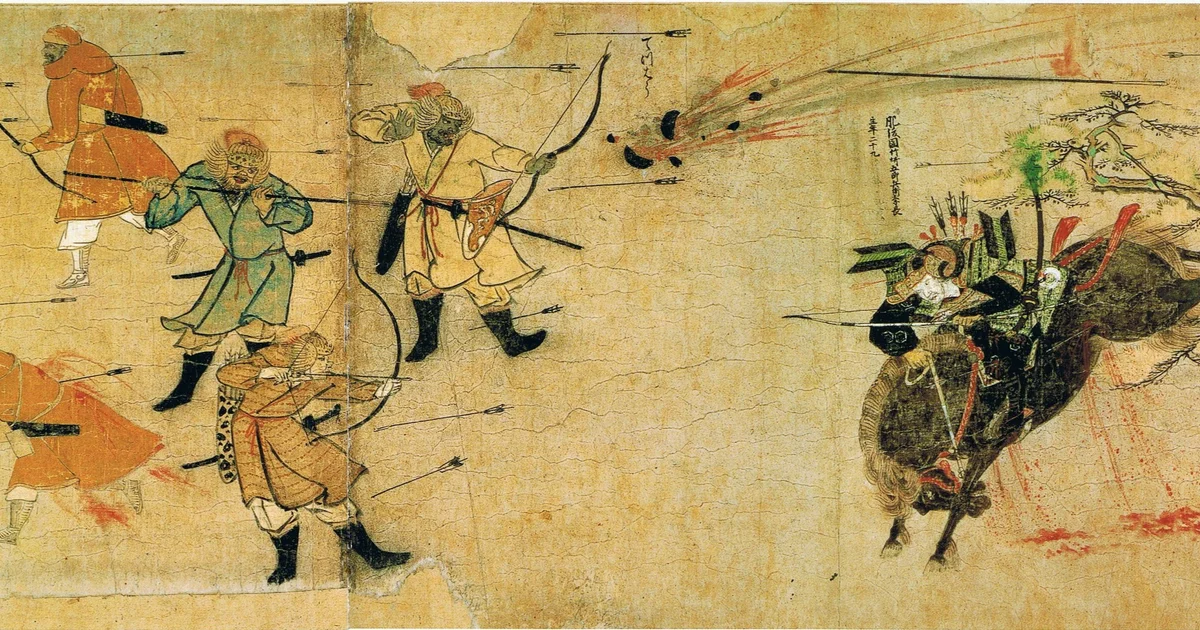
What happened
In 1281, Kublai Khan launched the largest seaborne invasion in history with 4,400 ships hastily built in under a year. The vessels were structurally flawed — flat-bottomed river boats repurposed for open-sea warfare. The fleet anchored in Hakata Bay for weeks during typhoon season. When the storm struck, an estimated 100,000 soldiers drowned or were killed, the Mongol Empire never attempted a third invasion, and the shipbuilding debt nearly bankrupted the Yuan Dynasty.[1]
What went wrong
The Yuan Dynasty imposed an impossible deadline on Korean shipyards: 900 ships in three months for the 1274 invasion, then 4,400 ships in under a year for 1281. Modern underwater archaeology at Takashima has confirmed what historical records suggested — the ships were built with flat bottoms suited for river navigation, not ocean swells. Recycled timbers show multiple nails driven into the same spot, a sign of rushed and structurally compromised construction. The fleet was then chained together in Hakata Bay as a defensive measure, eliminating any ability to manoeuvre. They waited offshore for weeks during the height of East Asian typhoon season. When the storm struck on 15 August 1281, the closely packed vessels could not escape. Between 100,000 and 140,000 soldiers and sailors drowned or were killed — roughly two-thirds of the entire invasion force. The Mongol Empire never launched a third attempt.[1]
Lesson learned
Procurement under political pressure produces systems that fail under operational load. The ships were designed to meet a schedule, not to survive the sea. Chaining a fleet together to create a defensive platform eliminated the one capability — manoeuvre — that might have saved them in a storm. The Yuan court’s refusal to accept delays in the shipbuilding programme created the structural preconditions for catastrophe. A deadline met with a flawed product is not a success.
100000 people died in 1281. Over 29.7 generations at a net reproduction rate of 1.2, each victim's line produces an estimated 226 living descendants today. Their combined lifetime economic output — 100000 × 226 × $2.16M — represents value that was permanently removed from the world. This figure exceeds the primary damage estimate by more than 2× and is shown separately to avoid distorting cross-incident comparisons.
DVL = 100000 × 1.229.7 × $2.16M · methodology §03E
Sources
- [1]
External links can go dark — pages move, paywalls appear, domains expire. Every source above includes a Wayback Machine snapshot link as a fallback. All citations are best-effort research; if a source contradicts our summary, the primary source takes precedence.