Fukushima Daiichi: Backup Generators Were in the Basement of a Coastal Nuclear Plant
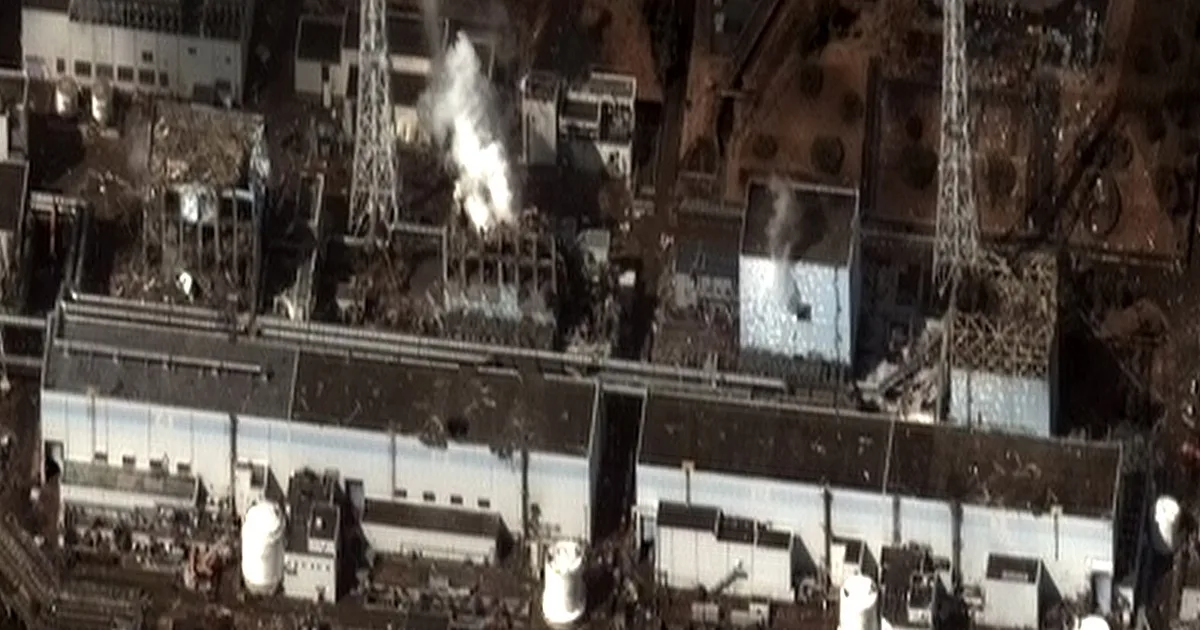
What happened
On 11 March 2011, the magnitude 9.0 Tōhoku earthquake triggered a 14-metre tsunami that flooded Fukushima Daiichi Nuclear Power Plant. The emergency diesel generators — located in the basement — were immediately disabled by flooding, cutting power to cooling systems. Three reactors melted down over the following days. A Japanese parliamentary inquiry concluded the disaster was "fundamentally man-made." The cleanup is projected to cost ¥21.5 trillion ($200 billion) and will not be complete until at least 2051.[1]
What went wrong
The generators were placed in the basement despite warnings. A 2008 internal TEPCO tsunami study modelled a 15.7-metre wave and concluded the plant faced serious risk — the report was shelved after regulators were lobbied. A GE engineer who worked on the plant's original 1960s design had publicly expressed concern about the basement generator placement decades earlier. Additionally, the plant was not designed to handle a complete loss of AC power (Station Blackout); battery backup lasted only eight hours. When the tsunami disabled the generators, cooling of the three operating reactors depended entirely on batteries that ran out before the situation was under control.[1]
Lesson learned
A risk assessment that is completed, documented, filed, and ignored is not risk management — it is evidence of negligence. TEPCO had both external warnings and internal studies pointing to the exact failure mode that destroyed the plant. Fukushima demonstrates that regulatory capture — where the regulator defers to the regulated industry's own assessments — can convert known risks into guaranteed outcomes.
Sources
- [1]
External links can go dark — pages move, paywalls appear, domains expire. Every source above includes a Wayback Machine snapshot link as a fallback. All citations are best-effort research; if a source contradicts our summary, the primary source takes precedence.