Bhopal: Union Carbide's Methyl Isocyanate Leak Kills at Least 15,000 in the World's Worst Industrial Disaster
What happened
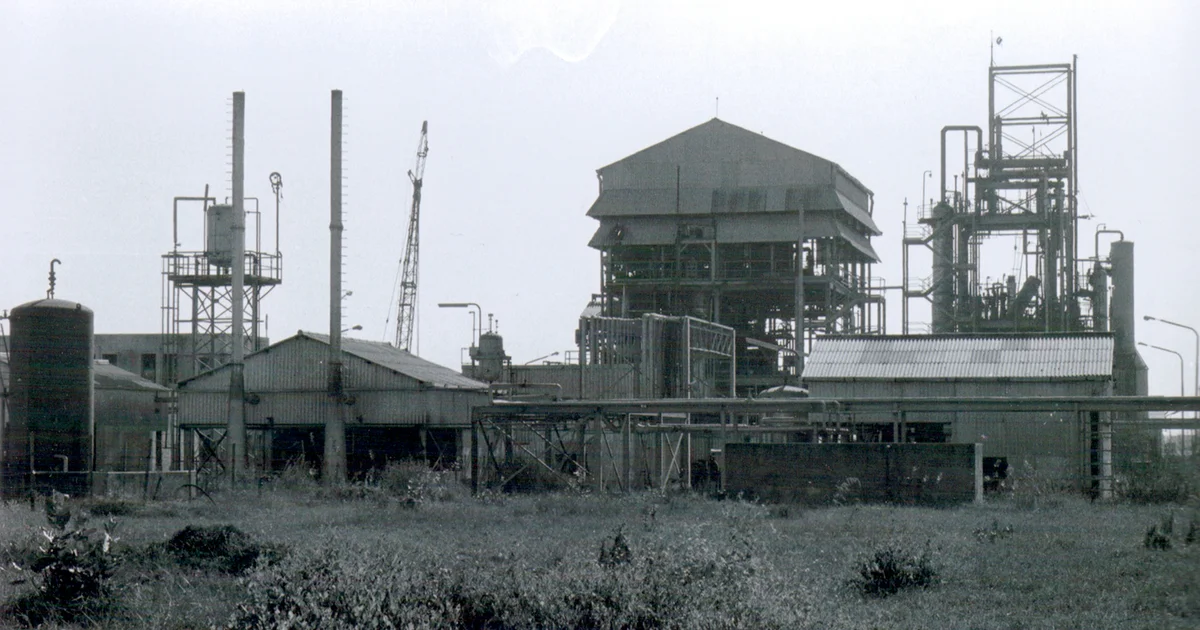
Shortly after midnight on 3 December 1984, approximately 40 tonnes of methyl isocyanate gas escaped from Union Carbide's pesticide plant in Bhopal, India. The gas cloud spread across 40 square kilometres of the city while residents slept. At least 3,787 people died immediately; official government estimates place the total death toll at 15,000–20,000, with 500,000–600,000 people exposed and suffering chronic health effects. It remains the world's worst industrial accident. The plant had been operating with multiple safety systems disabled or broken for months, and management had ignored repeated warnings.[1]
What went wrong
The immediate trigger was water entering a methyl isocyanate storage tank, causing an uncontrolled exothermic reaction that ruptured the tank's pressure relief valve. The underlying causes were systemic: the refrigeration unit that kept MIC cool had been shut down to cut costs; the flare tower that would have burned off escaping gas was offline for maintenance; the scrubber designed to neutralise escaping MIC was out of service and understaffed; the water curtain was too short to reach the gas cloud height. The plant's Indian subsidiary had been losing money, and Union Carbide's corporate management had repeatedly reduced staffing and deferred maintenance. An internal safety audit two years before the disaster had flagged the MIC storage as dangerously overloaded. The Indian government settled with Union Carbide for $470 million in 1989; Union Carbide's CEO Warren Anderson was charged with culpable homicide but was allowed to leave India and never extradited.[1]
Lesson learned
Industrial safety systems must all be operational simultaneously, not just individually capable. A plant running with three separate safety systems offline is not 90% safe — it is effectively unprotected, because failures require overlapping defences. Cost-cutting in safety infrastructure is not a financial decision; it is a decision about acceptable death tolls. The Bhopal settlement of $470M — about $470 per affected person — set a precedent for the price the legal system would place on industrial negligence in the developing world.
Sources
- [1]
External links can go dark — pages move, paywalls appear, domains expire. Every source above includes a Wayback Machine snapshot link as a fallback. All citations are best-effort research; if a source contradicts our summary, the primary source takes precedence.