Air France 447: Frozen Pitot Tubes Disconnect Autopilot, Crew Fails to Recover From Stall, 228 Dead
What happened
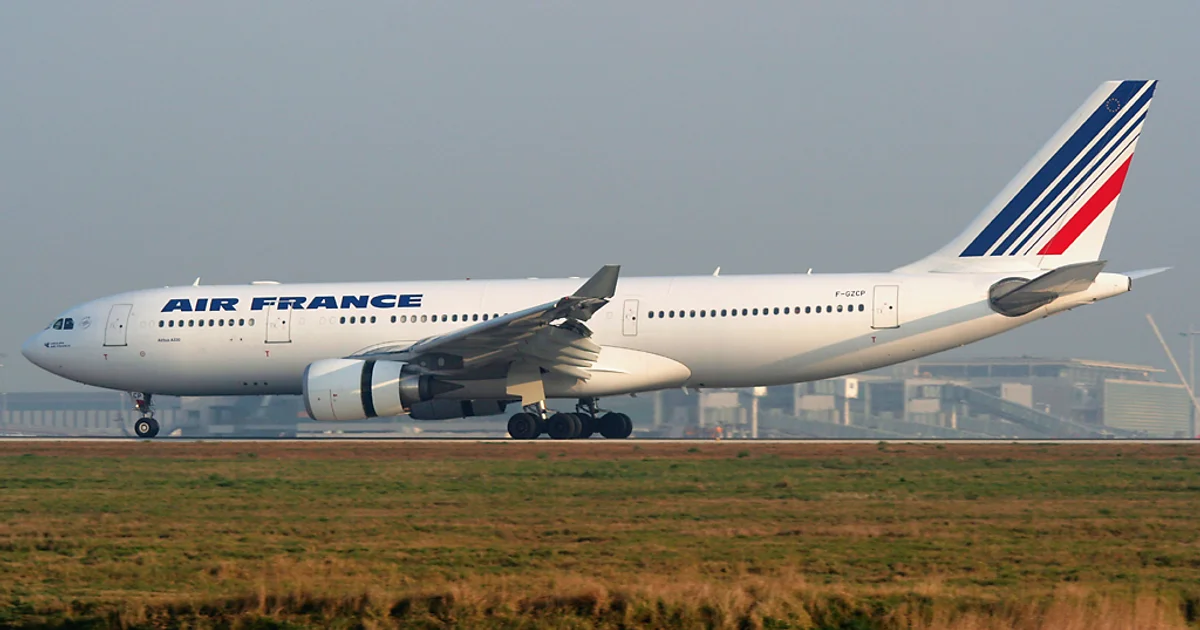
On 1 June 2009, Air France Flight 447 — an Airbus A330 flying from Rio de Janeiro to Paris with 228 people aboard — crashed into the Atlantic Ocean with no survivors. The accident sequence began when ice crystals at cruise altitude blocked the aircraft's pitot tubes, providing unreliable airspeed data and causing the autopilot to disconnect. The junior co-pilot, left alone at the controls, responded with inappropriate nose-up inputs despite continuous stall warnings. The aircraft entered a full aerodynamic stall at 35,000 feet and fell for three minutes and 30 seconds before hitting the ocean. The wreckage was not found until two years later, when black box recorders revealed the crew had never understood they were in a stall.[1]
What went wrong
Three simultaneous failures converged: the pitot tubes iced over at 35,000 feet (a known and recurring problem with Thales AA probes), the autopilot disconnected as designed when airspeed became unreliable, and the crew — two junior co-pilots with the captain resting — failed to follow the unreliable airspeed procedure. The flying co-pilot applied nose-up inputs that deepened the stall while the stall warning blared for 54 of the final 220 seconds. The crew appeared to not recognize the stall: the flight data recorder showed the sidestick was held back for almost the entire descent. Airbus's sidestick design allowed conflicting control inputs from both pilots without either pilot seeing the other's input — a known limitation. The French BEA investigation found that crew training on manual flight at high altitude had atrophied because modern airliners almost never require it.[1]
Lesson learned
Air France 447 exposed the hidden cost of automation dependency in aviation: when automation fails at the exact moment it is most needed, highly automated systems produce pilots who have lost the manual skills to take over. The crew had logged thousands of hours but almost none of them hand-flying an A330 at cruise altitude. The accident prompted worldwide changes to stall recovery training, mandatory practice of high-altitude upsets, and redesign of stall warning systems to be more unambiguous. Airbus also clarified crosscrew input protocols. But the deeper lesson — that making a system more automated does not make it safer if the fallback is a human who has forgotten how to fly — applies far beyond aviation.
Sources
- [1]
External links can go dark — pages move, paywalls appear, domains expire. Every source above includes a Wayback Machine snapshot link as a fallback. All citations are best-effort research; if a source contradicts our summary, the primary source takes precedence.