Northeast Blackout 2003: Silent Software Alarm Failure Cascades to 55 Million People Without Power
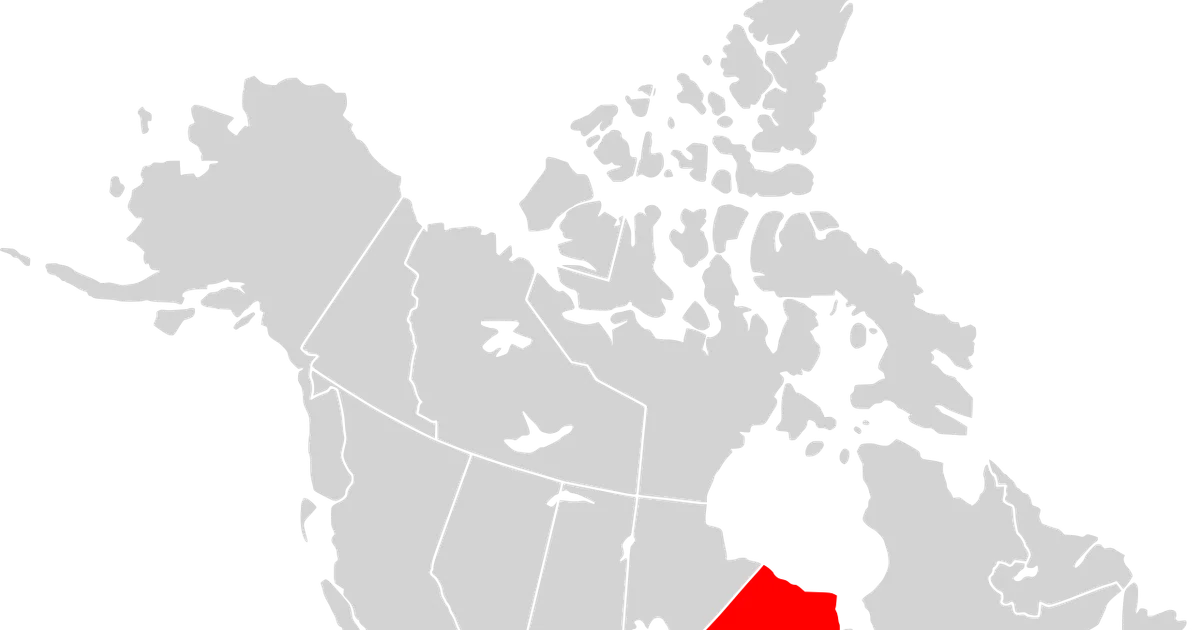
What happened
On 14 August 2003, a race condition in the alarm and event-logging software used by Ohio utility FirstEnergy caused the system to crash silently — producing no alerts for over 67 minutes while three high-voltage transmission lines were sagging into trees and tripping. Without awareness of the developing fault, operators took no corrective action. The cascade that followed knocked out 508 generating units at 265 power plants in under 8 minutes, leaving approximately 55 million people in the northeastern United States and Ontario, Canada without electricity — the largest blackout in North American history.[1]
What went wrong
GE Energy's XA/21 energy management software contained a race condition in its alarm subsystem. The bug caused the alarm process to fall into an infinite loop and stop processing new events, while producing no error message or watchdog alert to operators. The monitoring system was blind for over an hour. A subsequent domino sequence of line trips — predictable and stoppable had operators been informed — escalated into a continent-scale emergency. The US–Canada Power System Outage Task Force listed the silent alarm failure as the initiating cause.[1]
Lesson learned
A monitoring system that fails silently is more dangerous than one that fails loudly. Alarm systems must be health-monitored themselves; the absence of alarms should never be interpreted as 'all clear'. Grid operators need mandatory watchdog processes and alarm-system diagnostics running independently from the systems they monitor.
Sources
- [1]
External links can go dark — pages move, paywalls appear, domains expire. Every source above includes a Wayback Machine snapshot link as a fallback. All citations are best-effort research; if a source contradicts our summary, the primary source takes precedence.