Mariner 1: A Missing Symbol in Guidance Code Destroys the Rocket Four Minutes After Launch
What happened
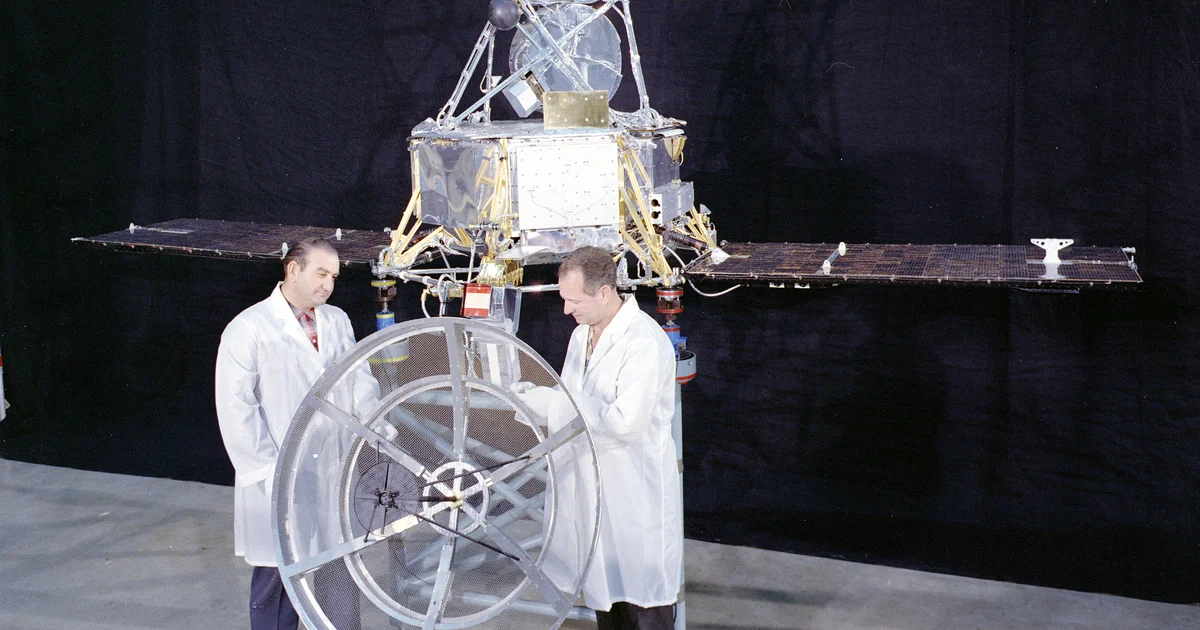
On 22 July 1962, NASA's Mariner 1 Venus probe was destroyed by range safety officers 4 minutes and 53 seconds after launch when its Atlas-Agena rocket veered off course toward inhabited areas. The cause was a transcription error in the ground-based guidance software: a single overline symbol — a smoothing notation in the handwritten specification — was omitted when the formula was typed into code. Without the smoothing function, the guidance system treated normal velocity fluctuations as trajectory errors and steered the rocket violently off course. Arthur C. Clarke later called it 'the most expensive hyphen in history.'[1]
What went wrong
The flight program was hand-coded from a written mathematical specification. One formula required a smoothed running average of velocity, written with an overline above the variable. When transcribed to punched-card code, the overline was omitted. The unsmoothed guidance system then reacted to normal transient velocity readings as deviations requiring violent correction, pitching the rocket off course within minutes of launch. Two independent verification steps that should have caught the discrepancy — a comparison of the code against the specification, and a review of anomalous steering behavior in simulation — were either not performed or not acted upon.[1]
Lesson learned
The translation from human-readable specification to executable code is one of the highest-risk steps in safety-critical software. Every transcription must be independently diffed against the source. A single omitted symbol — trivially detectable by automated tooling that did not yet exist in 1962 — cost $18.5M and a Venus mission. Modern formal specification languages and automated code generation exist in part because of failures like this.
Sources
- [1]
External links can go dark — pages move, paywalls appear, domains expire. Every source above includes a Wayback Machine snapshot link as a fallback. All citations are best-effort research; if a source contradicts our summary, the primary source takes precedence.