Virgin Hyperloop Shuts Down After $450 Million and a Decade of Promises
What happened
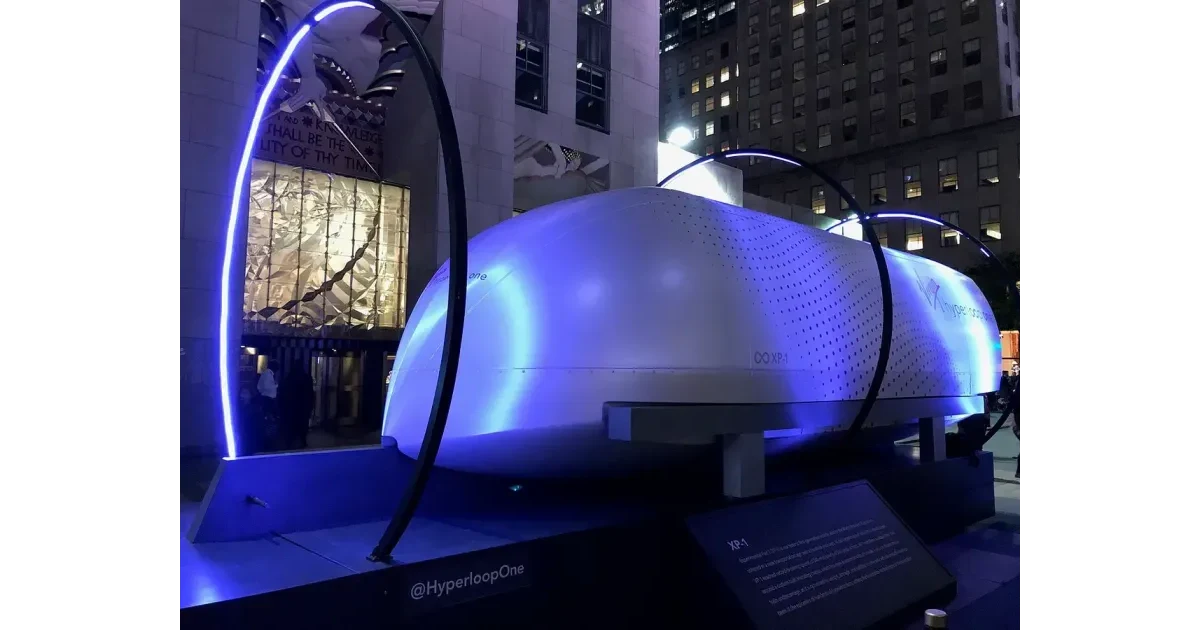
Virgin Hyperloop raised over $450 million from investors including DP World and Richard Branson's Virgin Group, promising to transport passengers at 1,000 km/h in vacuum tubes. In November 2022 it pivoted to cargo-only, laid off 111 of its 140 employees, and effectively ceased passenger transport development. The only hardware built was a 500-metre test track in Nevada, which reached 172 km/h — a fraction of the promised speed — with no passengers.[1]
What went wrong
The fundamental physics of Hyperloop imposes challenges that scale catastrophically with route length. Maintaining a vacuum across hundreds of kilometres requires enormous continuous energy; any breach depressurises the tube instantly at fatal speeds. No regulatory framework existed for this novel transport mode, and creating one takes decades. Stations introduce tube-breach risk at every boarding point. The company burned through capital proving engineering concepts that did not translate to commercial viability, while selling investors on a vision of high-speed passenger travel that the physics and economics could not support.[1]
Lesson learned
Exponential promises about novel transport modes attract capital but rarely survive contact with real-world physics, regulation, and cost. Hyperloop's vacuum-tube architecture makes engineering problems worse at scale, not better — the opposite of software. Brand endorsement and dramatic CGI renderings are not substitutes for a working regulatory framework or a positive business case.
Sources
- [1]
External links can go dark — pages move, paywalls appear, domains expire. Every source above includes a Wayback Machine snapshot link as a fallback. All citations are best-effort research; if a source contradicts our summary, the primary source takes precedence.