Tesla Autopilot First Fatality: System Mistakes White Truck for Bright Sky
What happened
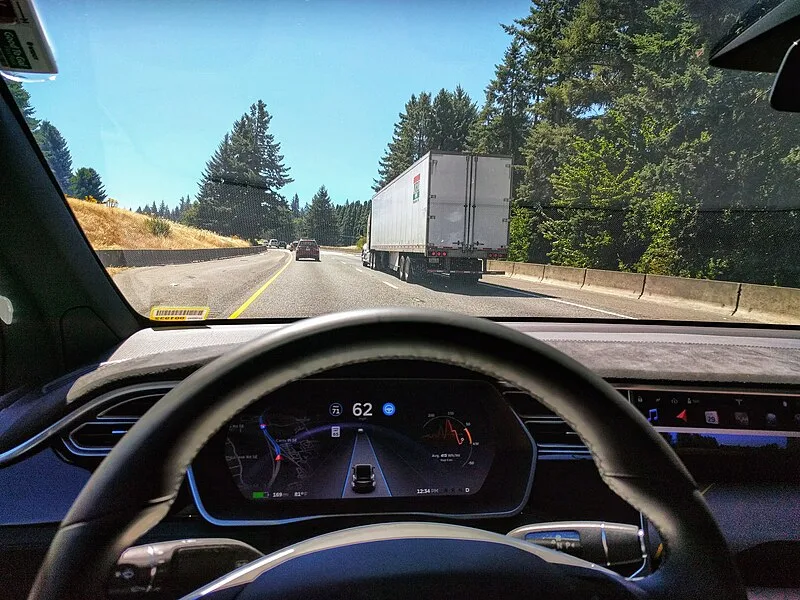
Joshua Brown died when his Tesla Model S on Autopilot struck the trailer of a turning truck. The camera-based system failed to distinguish the white trailer against a bright sky, and neither the driver nor the system applied brakes before the collision. The NTSB found the driver had been engaged in non-driving activities for extended periods.[1]
What went wrong
Tesla's Autopilot used camera and radar but not lidar, relying on a single-modal sensing approach with known edge-case weaknesses. The system's name "Autopilot" and marketing materials created false confidence in the level of autonomous capability, contributing to over-reliance by drivers.[1]
Lesson learned
The names and marketing of driver assistance systems directly affect how drivers use them. A system called "Autopilot" will be treated as one. Sensor fusion across multiple modalities reduces single-point-of-failure risks in object detection. Over-reliance monitoring is as important as the driving assistance itself.
Sources
- [1]
External links can go dark — pages move, paywalls appear, domains expire. Every source above includes a Wayback Machine snapshot link as a fallback. All citations are best-effort research; if a source contradicts our summary, the primary source takes precedence.