Songdo: South Korea's $40 Billion Smart City Built for 500,000 People Sits Mostly Empty
What happened
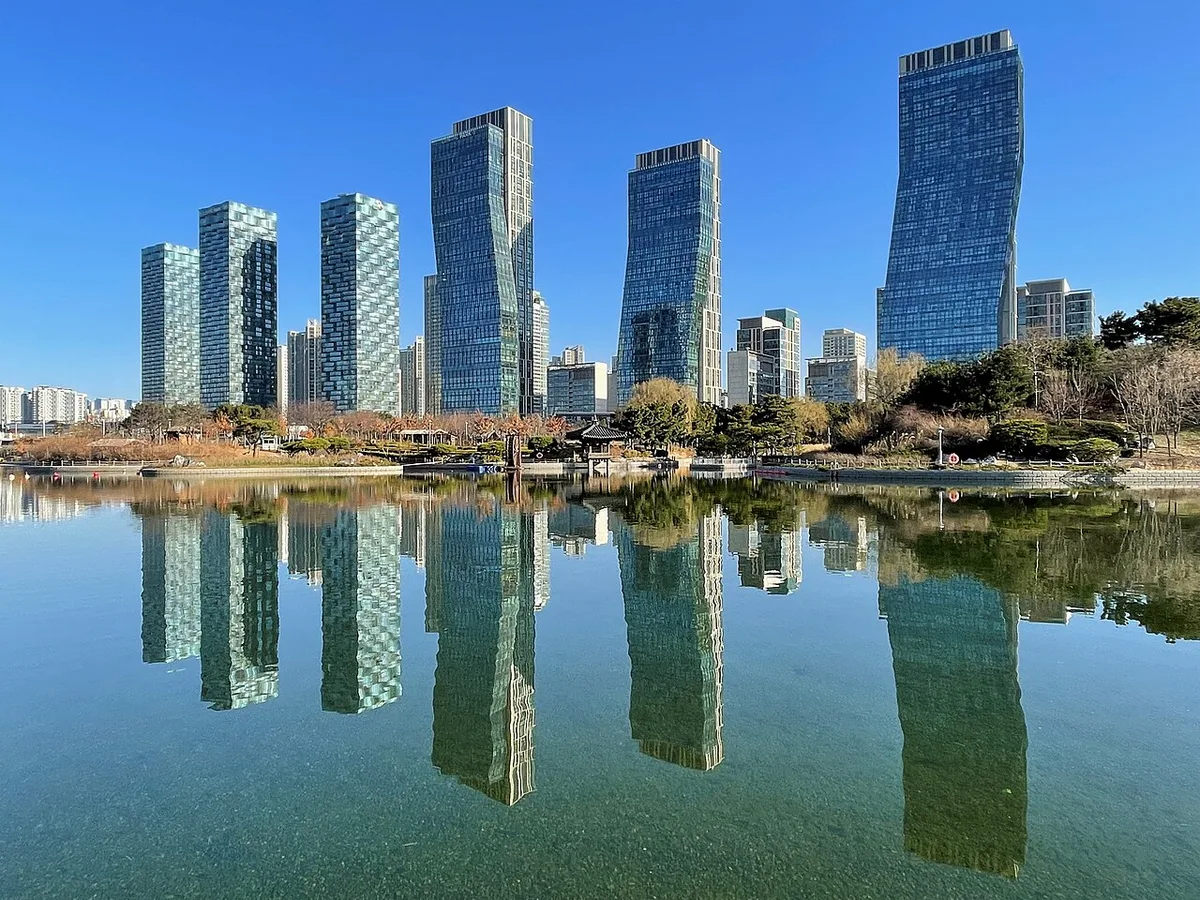
Songdo International Business District, built on reclaimed land near Incheon, South Korea, was designed as the world's first purpose-built smart city — 1,500 acres of digitally connected towers, parks, hospitals, and offices for 500,000 residents. Construction began in 2003 with $35–40 billion in planned investment. By 2015, a decade in, Songdo had fewer than 100,000 residents, aspirational multinational tenants had not materialised, and residents complained it felt sterile and empty. The international business district concept required critical mass that never arrived.[1]
What went wrong
Songdo was engineered for efficiency but not for urbanity. Its pneumatic waste collection and centralised sensors worked as designed — but the city had no organic growth, no history, no mixed-use messiness that makes cities feel alive. The assumption that corporations would relocate headquarters to a purpose-built zone 40 minutes from Seoul proved wrong: proximity to Seoul's economic ecosystem mattered more than Songdo's smart infrastructure. Residents commuted to Seoul for work, negating the local economy.[1]
Lesson learned
Smart cities cannot be designed from the outside in. Vibrant urban areas emerge from mixed uses, diverse populations, and organic economic activity over decades. A city that optimises for efficiency but ignores serendipity, culture, and economic gravity produces an expensive housing estate. Technology infrastructure is the least important ingredient in building a successful city.
Sources
- [1]
External links can go dark — pages move, paywalls appear, domains expire. Every source above includes a Wayback Machine snapshot link as a fallback. All citations are best-effort research; if a source contradicts our summary, the primary source takes precedence.