Luckin Coffee Fabricates $310 Million in Sales, Delisted Two Years After Its Nasdaq IPO
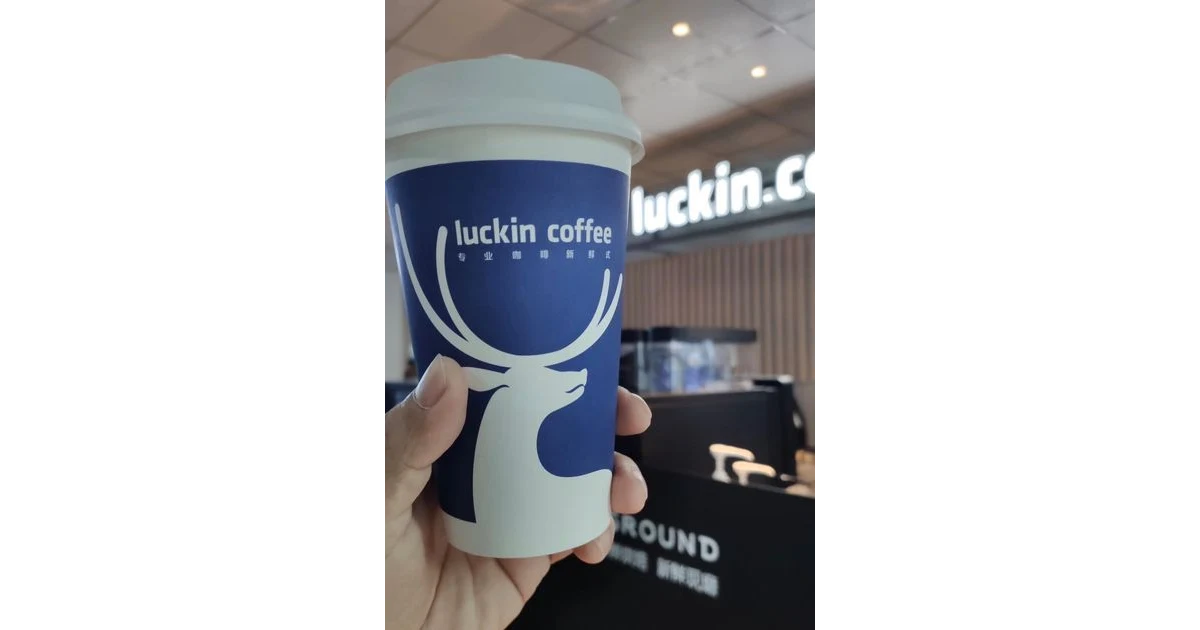
What happened
Luckin Coffee opened 4,507 stores in 18 months — the fastest expansion in coffee retail history — and listed on Nasdaq in May 2019, raising $561 million at a $4.2 billion valuation. In April 2020, an internal investigation found that its COO and employees had fabricated approximately 2.2 billion yuan ($310 million) in sales during 2019, accounting for ~40–50% of reported annual revenue. The stock collapsed 80% overnight. Luckin was delisted from Nasdaq in June 2020 and paid a $180 million SEC penalty.[1]
What went wrong
To show the market share capture its valuation required, management manufactured fake transactions: employees placed orders using fake IDs, vouchers were created with no actual redemption, and partnership revenue was invented. This enabled successive fundraising rounds on fabricated fundamentals. A Muddy Waters short-seller report in January 2020, based on 11,260 store-hours of video surveillance and 25,843 receipts, had already documented the discrepancies before the internal disclosure. Auditor Ernst & Young missed the fabrications across multiple quarters.[1]
Lesson learned
Hyper-growth metrics in emerging markets are difficult to verify and tempting to fabricate. Auditors relying on management-provided transaction data cannot detect fraud where the underlying transactions are themselves fictitious. Short-seller forensic research identified the fraud that gatekeepers missed. Notably, Luckin's post-delisting restructuring under different management produced an actually profitable coffee chain — the core business was viable without the fraud.
Sources
- [1]
External links can go dark — pages move, paywalls appear, domains expire. Every source above includes a Wayback Machine snapshot link as a fallback. All citations are best-effort research; if a source contradicts our summary, the primary source takes precedence.