Google Glass Consumer Programme Ends — 'Glassholes' and No Use Case
What happened
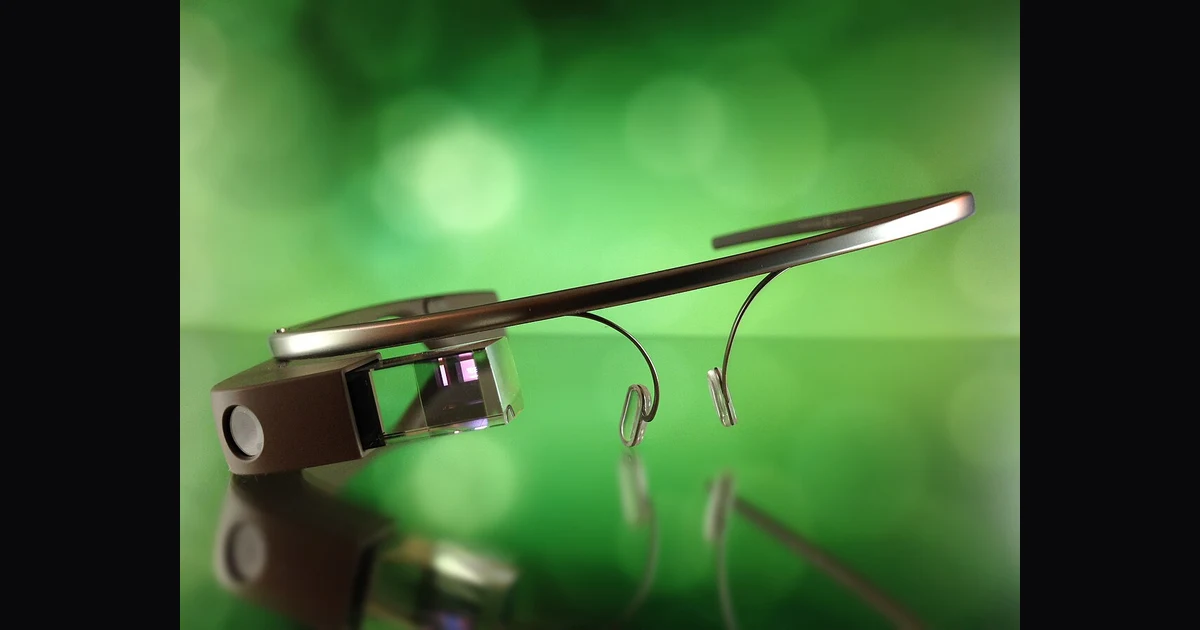
Google quietly ended its Glass Explorer Programme in January 2015 after three years of a limited $1,500-per-unit beta. Approximately 8,000 units were sold. The device was widely mocked — wearers were branded 'Glassholes' — and found no mass-market use case. The product was socially toxic: strangers objected to being recorded in public, bars and cinemas banned the device, and the high price with low utility killed adoption.[1]
What went wrong
Google shipped a developer prototype as a consumer product before the use case, social norms, and form factor were ready. The device had no compelling daily-use application and created real-world friction that software updates could not resolve. Marketing it as a consumer product at $1,500 amplified the backlash when it inevitably underdelivered.[1]
Lesson learned
Shipping R&D hardware to consumers as a product launch — rather than a developer preview — can permanently damage a category. Google Glass may have thrived as an industrial device (it later did), but the consumer hype cycle poisoned public perception for years.
Sources
- [1]
External links can go dark — pages move, paywalls appear, domains expire. Every source above includes a Wayback Machine snapshot link as a fallback. All citations are best-effort research; if a source contradicts our summary, the primary source takes precedence.