Ford Pinto's Fatal Fuel Tank Could Be Fixed for $11 Per Car — Ford's Own Memo Said Don't Bother
What happened
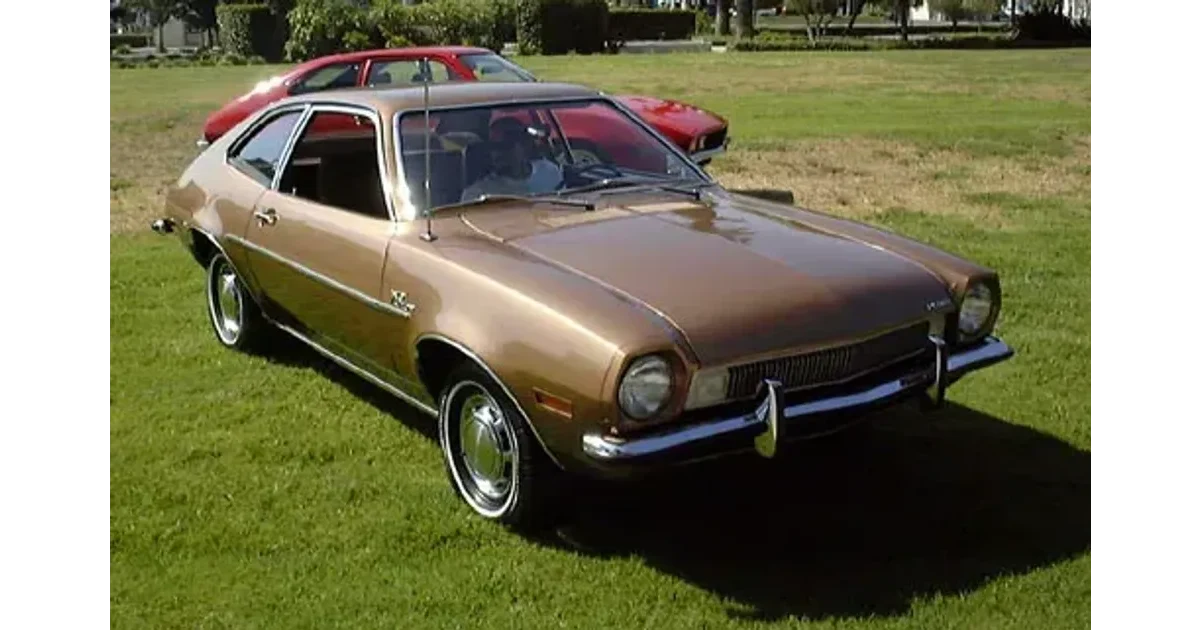
The Ford Pinto, produced from 1971 to 1980, had a fuel tank positioned between the rear axle and bumper that ruptured and caught fire in rear-end collisions above 25 mph. Ford knew about the defect before production began. An internal cost-benefit analysis — using NHTSA's own $200,725 per-fatality valuation — concluded that paying out wrongful death settlements ($49.5M total) would be cheaper than installing an $11 plastic baffle in every car ($137M total). Ford chose the settlements. When the memo became public evidence, juries disagreed with the arithmetic.[1]
What went wrong
The Pinto's development was constrained by Lee Iacocca's directive: "2,000 pounds, $2,000, by 1970." Pre-production crash tests showed the fuel tank problem; the production tooling was already built and retooling was estimated at $100M. The cost-benefit memo was prepared by Ford engineers using a federally-sanctioned methodology that assigned dollar values to fatalities — the same method NHTSA itself used for regulatory impact assessments. The memo concluded correctly by that methodology that the recall would cost more than the liability. The error was applying regulatory economics to a decision that should have been made on engineering safety grounds.[1]
Lesson learned
Calculating whether it is cheaper to let customers die than to fix a known defect is both morally catastrophic and legally explosive. When the "Pinto Memo" became evidence in Grimshaw v. Ford, the jury awarded $125M in punitive damages (later reduced to $3.5M on appeal). Ford paid orders of magnitude more in total than the $11-per-car fix would have cost. The Pinto case established the principle that cost-benefit analysis applied to known fatal defects constitutes corporate malice.
Sources
- [1]
External links can go dark — pages move, paywalls appear, domains expire. Every source above includes a Wayback Machine snapshot link as a fallback. All citations are best-effort research; if a source contradicts our summary, the primary source takes precedence.